Where Stinging Insects Commonly Build Nests Around Buildings
To effectively address stinging insect problems around buildings, local service providers can identify common nesting sites and safely remove or treat nests where stinging insects commonly build nests around buildings.
Understanding where stinging insects commonly build nests around buildings can help property owners take proactive steps to protect their spaces. These insects often choose hidden, sheltered areas that provide safety and stability for their colonies, such as eaves, soffits, wall voids, and beneath decks or porches. Recognizing these common nesting sites is essential for identifying potential risks early, especially for those who want to avoid unexpected stings or property damage. Local contractors experienced in stinging insect control can assist with inspecting these areas, safely removing nests, and implementing strategies to prevent future infestations.
Exploring the typical locations where stinging insects build nests around buildings highlights the importance of professional assistance in managing these pests. Many property owners find that nests can develop quickly in hard-to-see spots, making early detection challenging without expert knowledge. Service providers in the area can assess specific property features, identify active nests, and provide effective removal solutions tailored to each situation. Keeping an eye on common nesting sites and working with local pros ensures that properties remain safe and insect-free, allowing residents and staff to enjoy their spaces without worry.
- Attic and Wall Nests - When stinging insects build nests inside attics or wall voids, local contractors can safely remove the structures and prevent future infestations.
- Eaves and Roof Overhangs - Nests often develop under eaves and roof overhangs, prompting homeowners to seek local pros for discreet removal and sealing.
- Porch and Deck Areas - Stinging insects may establish nests near porch ceilings or deck supports, with service providers offering targeted removal to reduce risk.
- Ground-Level Nests - When nests are built in soil or low-lying areas around buildings, local contractors can handle safe removal and recommend preventative measures.
- Vents and Chimneys - Nests forming inside vents or chimneys require professional removal to ensure proper ventilation and reduce insect activity around structures.
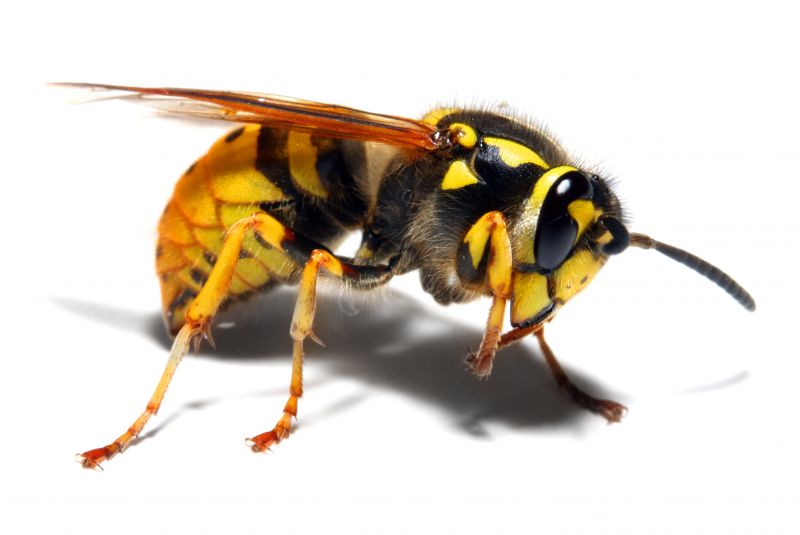
Understanding where stinging insects commonly build nests around buildings is a key part of managing pest problems on residential and commercial properties. When people search for this topic, they are often looking to identify the typical locations where these insects establish their colonies, especially to prevent or address infestations. Recognizing these common nesting sites can help homeowners plan effective removal or exclusion strategies and reduce the risk of stings or property damage. Local contractors who specialize in stinging insect control are familiar with these nesting preferences and can provide targeted treatments to eliminate nests safely and efficiently.
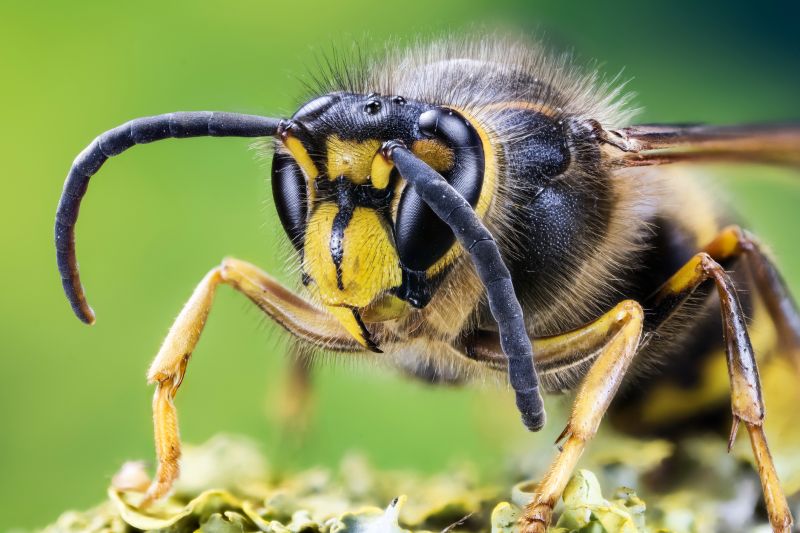
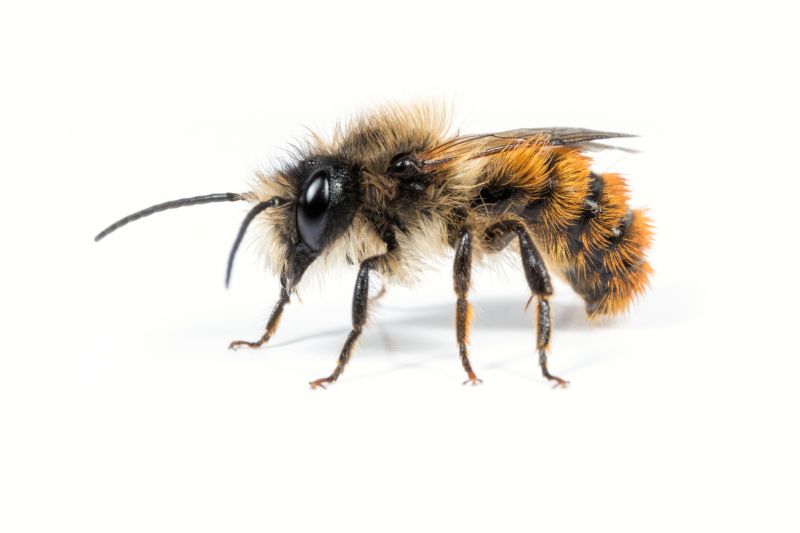
Stinging insects such as wasps, hornets, and yellowjackets tend to choose specific areas around buildings that offer shelter and easy access to food sources. They frequently build nests in sheltered spots that provide protection from the elements, including under eaves, soffits, and roof overhangs. Other common locations include wall voids, attic spaces, and beneath decks or porches. These insects are also known to nest in ground-level sites like soil or mulch beds adjacent to structures. Understanding these nesting habits can help property owners identify potential problem areas early and work with local service providers to implement preventative measures.
The types of properties where stinging insects commonly build nests around buildings can vary, but certain features tend to attract these pests. Residential homes with overhanging roofs, open eaves, or decorative trim are often targeted because these areas provide ideal shelter. Commercial buildings with large overhangs, loading docks, or outdoor storage areas are also frequent nesting sites. Properties with dense landscaping, wood piles, or debris nearby can further increase the likelihood of ground nests or hidden colonies. Recognizing the characteristics of these properties can assist homeowners and property managers in assessing risk factors and consulting with local contractors experienced in pest management.
For property owners, understanding where stinging insects typically nest around buildings connects directly to ongoing pest control projects. Identifying common nesting sites helps in planning inspections, choosing appropriate treatment methods, and implementing exclusion tactics to prevent future nests. Local service providers who specialize in stinging insect control bring valuable knowledge of these habits and can offer tailored solutions based on the property’s layout and features. Partnering with experienced professionals ensures that nests are safely removed and that preventative measures are put in place, reducing the chance of recurring problems and enhancing overall safety around the property.
Birdhouse Installation - Installing birdhouses requires understanding of building placement and environmental factors, skills that are useful for identifying and removing stinging insect nests around buildings.
Pest Exclusion Projects - Projects focused on sealing entry points and preventing pest access involve planning and tools similar to those used in locating and removing stinging insect nests.
Gutter and Roof Repair - Repair work around gutters and roofs involves working in areas where stinging insects often build nests, making it relevant for local contractors experienced in these environments.
Chimney and Vent Covering - Installing or repairing chimney caps and vent covers requires attention to detail in areas prone to insect nesting, aligning with skills used in stinging insect nest control.
Exterior Wall Maintenance - Tasks such as siding repair or painting involve working in concealed spaces where stinging insects may nest, utilizing similar planning and access techniques.
Attic Insulation and Ventilation - Improving attic ventilation involves working in spaces that can harbor stinging insect nests, requiring careful inspection and access skills that relate to nest removal services.
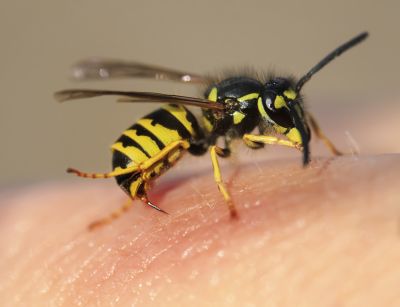
When evaluating local contractors for stinging insect control services, it is important to consider their experience with similar projects. Inquire about their familiarity with identifying common nesting sites around buildings, such as eaves, soffits, wall voids, and ground areas. A contractor with prior experience handling these specific locations can better assess the problem and recommend effective treatment strategies. This knowledge can contribute to a more thorough and efficient approach to removing nests and preventing future infestations, ensuring the homeowner’s property is properly protected.
Clear written expectations are essential when comparing service providers. A reputable contractor should provide detailed descriptions of the services included, the methods they plan to use, and any follow-up procedures. This transparency helps homeowners understand what to expect and ensures there are no surprises after the work is completed. Well-defined expectations also facilitate better communication, enabling homeowners to ask informed questions and clarify any concerns before work begins.
Reputable references and strong communication practices are key indicators of a reliable service provider. Asking for references from previous clients can provide insights into the contractor’s professionalism, reliability, and quality of work. Additionally, a contractor who maintains open and responsive communication is more likely to address questions or concerns promptly, fostering a smoother experience. When comparing local pros, prioritizing those with positive references and clear communication can help ensure the project is handled competently and efficiently, leading to better results when dealing with stinging insect nests around buildings.
Property owners often search for where stinging insects commonly build nests around buildings when they are planning practical projects around their homes and businesses. Local pros provide Stinging Insect Control services for everyday jobs and straightforward project options.
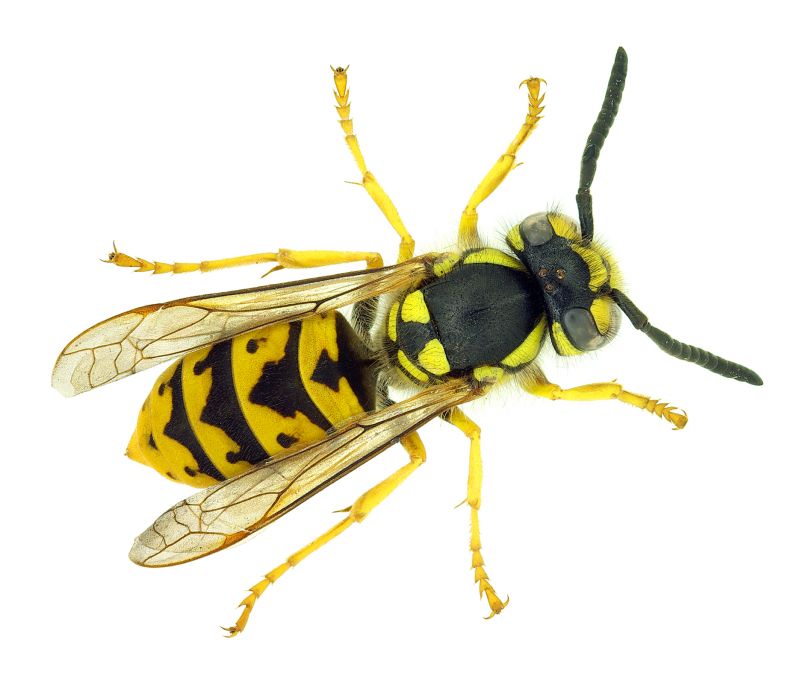

Understanding where stinging insects commonly build nests around buildings can help property owners identify potential problem areas before infestations become serious. These insects often choose sheltered spots such as eaves, soffits, wall voids, and beneath decks or porches, especially in areas that provide easy access and protection from the elements. Recognizing these common nesting sites allows property owners to take proactive steps and seek the assistance of local contractors who specialize in stinging insect control to safely remove nests and prevent future issues.
Many property owners in the area turn to local service providers who have experience handling stinging insect nests in these typical locations. These professionals can evaluate the property to identify active nests and advise on effective removal strategies. Engaging with local contractors ensures that nests are handled safely and efficiently, reducing the risk of stings and property damage. Whether dealing with a single nest or ongoing concerns, connecting with local pros can help maintain a safe and comfortable environment around buildings.
Where do stinging insects typically build nests around buildings? Stinging insects often build nests in sheltered areas such as eaves, soffits, attics, wall voids, and beneath decks or porches, especially in hidden or undisturbed spots near structures.
Are there common locations around buildings where nests are more likely to be found? Yes, nests are frequently found in wall cavities, behind shutters, inside vents, or in tree branches close to the building, providing protection and easy access for insects.
How can local contractors identify where stinging insects are nesting around a building? Local service providers typically inspect areas like roof overhangs, gutters, siding, and underneath decks to locate active nests and assess the best treatment approach.
Why do stinging insects prefer to build nests near buildings? They often choose areas close to food sources and shelter, such as cracks, crevices, or sheltered eaves, which offer protection and easy access to resources.
How can professional stinging insect control services help eliminate nests in these common locations? Local contractors can safely locate, remove, and treat nests in these typical spots to reduce the risk of stings and prevent future infestations around buildings.
Identify common nesting sites - property owners can observe areas like eaves, soffits, and wall voids to pinpoint where stinging insects often build nests around buildings, aiding service providers in targeted removal.
Inspect around entry points - examining cracks, gaps, and openings near windows or doors helps determine potential nesting spots that local contractors can treat effectively.
Monitor shaded and sheltered areas - noting locations such as shrubbery, overhangs, or gutters where nests are likely to develop allows for proactive removal with help from experienced professionals.
Schedule regular inspections - arranging periodic checks of key building areas ensures that local service providers can address new nests early, preventing infestations around buildings.
If you are thinking about where stinging insects commonly build nests around buildings for a property, this guide is meant to help you understand this topic, the typical project types, and how different options might fit your plans.
When you are ready, you can use the quote form on this page to share a few details about your project. From there, local pros can review the basics and follow up with options that match what you have in mind.