Signs You Have a Wasp, Hornet, or Yellow Jacket Problem
If you notice signs you have a wasp, hornet, or yellow jacket problem, local service providers can safely identify and treat the issue to protect your property.
If you’ve noticed unexpected buzzing sounds near your home or have seen small, aggressive insects hovering around your property, you might be dealing with a wasp, hornet, or yellow jacket problem. These insects often build nests in hidden spots like eaves, soffits, or underground, making their presence easy to overlook until they become more noticeable or aggressive. Recognizing early signs of an infestation can help property owners address the issue before it escalates, especially since these pests can pose safety concerns for families, pets, and visitors. Local contractors who specialize in wasp, hornet, and yellow jacket treatments can assess the situation and recommend effective removal strategies to keep your property safe and pest-free.
Understanding the signs of a wasp, hornet, or yellow jacket problem is essential for timely intervention. Common indicators include finding nests in hard-to-see areas or noticing increased activity around certain spots, particularly during warmer months. You might also experience stinging insects near entry points or see them darting around outdoor gathering spaces. Addressing these issues early with the help of experienced service providers can prevent potential stings and reduce the risk of nests growing larger. Local contractors with expertise in pest removal can provide the necessary treatments to eliminate these pests and help restore peace to your property.
- Wasp, Hornet, or Yellow Jacket Treatment - is needed when signs of nests near the home or yard are observed, and local contractors can safely remove or treat the nests.
- Wasp, Hornet, or Yellow Jacket Treatment - becomes necessary if you notice aggressive behavior or frequent insect sightings around eaves and outdoor structures, prompting local service providers to assess and address the issue.
- Wasp, Hornet, or Yellow Jacket Treatment - is recommended when you detect a persistent buzzing sound or see wasps entering or exiting a specific area, with local pros capable of handling the removal safely.
- Wasp, Hornet, or Yellow Jacket Treatment - should be considered if stings occur unexpectedly or if there are visible signs of a large nest, with local contractors equipped to eliminate the problem.
- Wasp, Hornet, or Yellow Jacket Treatment - is advised when seasonal activity increases and signs of infestation appear, as local service providers can provide effective nest removal and prevention options.
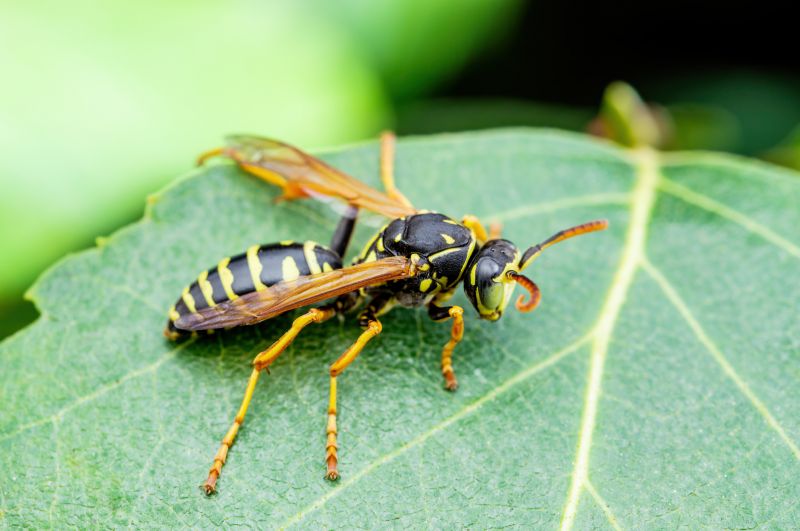
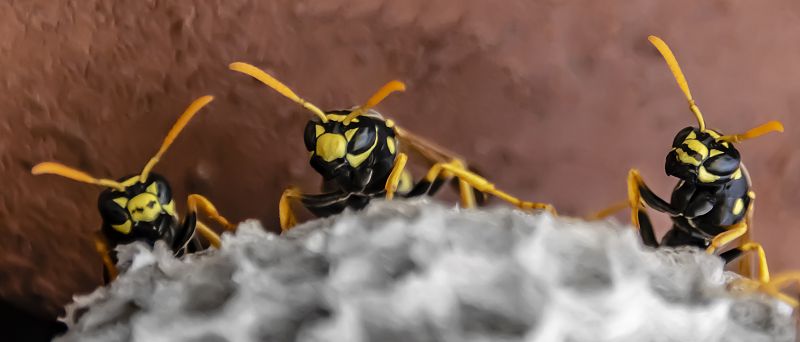
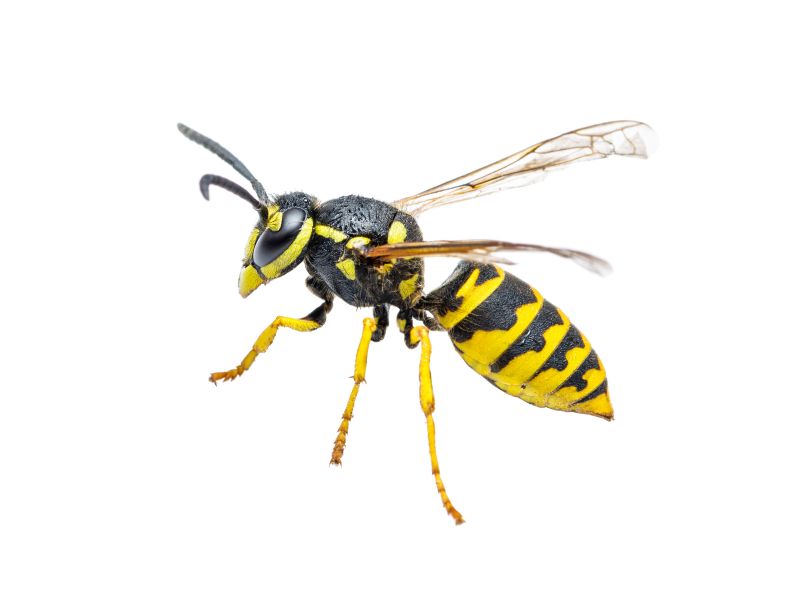
Many homeowners encounter situations where they suspect a wasp, hornet, or yellow jacket problem but aren’t entirely sure what signs to look for. Typically, people searching this topic are trying to identify whether these insects have established a nest nearby or if their presence poses a threat to family and pets. Recognizing the early signs can help prevent stings and property damage, making it easier to plan for professional treatment. These signs often include visible insects buzzing around outdoor areas, especially during late spring and summer, or the appearance of nests in trees, eaves, or hidden corners of the property. Understanding what to watch for enables homeowners to take timely action, often with the assistance of local service providers who specialize in wasp, hornet, and yellow jacket removal.
The problems associated with these insects extend beyond just their presence. For many, the concern is safety-stings can cause allergic reactions or pain, especially if a nest is disturbed unexpectedly. Additionally, large nests can lead to property damage, as they are often built in structural areas like soffits, wall voids, or under decks. Homeowners planning to do DIY removal may find themselves at risk of aggressive insect behavior or inadvertently causing the nest to become more active. This is where local contractors come into play, offering professional removal and treatment options designed to eliminate nests safely and effectively. Recognizing signs of a problem early can help homeowners decide when to seek expert assistance before the situation escalates.
Certain property types tend to be more prone to wasp, hornet, or yellow jacket issues. Residential homes with abundant trees, shrubs, or overgrown vegetation provide ideal nesting sites. Structures with eaves, soffits, or unused spaces are also common locations for nests to develop. Commercial properties, especially those with outdoor dining areas, storage sheds, or loading docks, may experience similar problems. In addition, properties with standing water or debris piles can attract these insects. Knowing the typical environments where these pests thrive helps homeowners and property managers identify potential problem areas and work with local service providers to implement targeted removal and prevention strategies.
Identifying signs of an active wasp, hornet, or yellow jacket problem is crucial for timely intervention. Common indicators include increased insect activity around the property, especially near eaves, gutters, or outdoor furniture. You might notice a persistent buzzing sound or see insects entering and exiting small openings in walls or structures. Visible nests, often grayish or papery in appearance, are clear signs that a colony has established itself nearby. If these signs are present, engaging with local contractors experienced in pest removal can help ensure the problem is addressed safely. Professional treatment not only removes existing nests but also helps prevent future infestations, protecting the safety and comfort of the property’s occupants.
Wildlife removal services - professionals who handle the removal of stinging insects like wasps, hornets, and yellow jackets often provide expertise in identifying and safely removing nests around residential and commercial properties.
Pest inspection services - these specialists conduct thorough assessments of properties to detect signs of wasp, hornet, or yellow jacket activity, helping homeowners understand potential infestations early.
Insect proofing and exclusion - local contractors skilled in sealing entry points and installing barriers can prevent wasps, hornets, and yellow jackets from establishing nests around a property.
Yard and landscape pest control - providers who manage outdoor pest issues often deal with stinging insect problems, offering treatments that target nests and reduce activity in yards and gardens.
Structural repair and sealing services - specialists who repair and seal building openings can assist in preventing insects from gaining access to attics or wall voids where nests may form.
Emergency pest removal services - these local service providers respond quickly to reports of active nests, especially when stinging insects pose immediate safety concerns around a property.
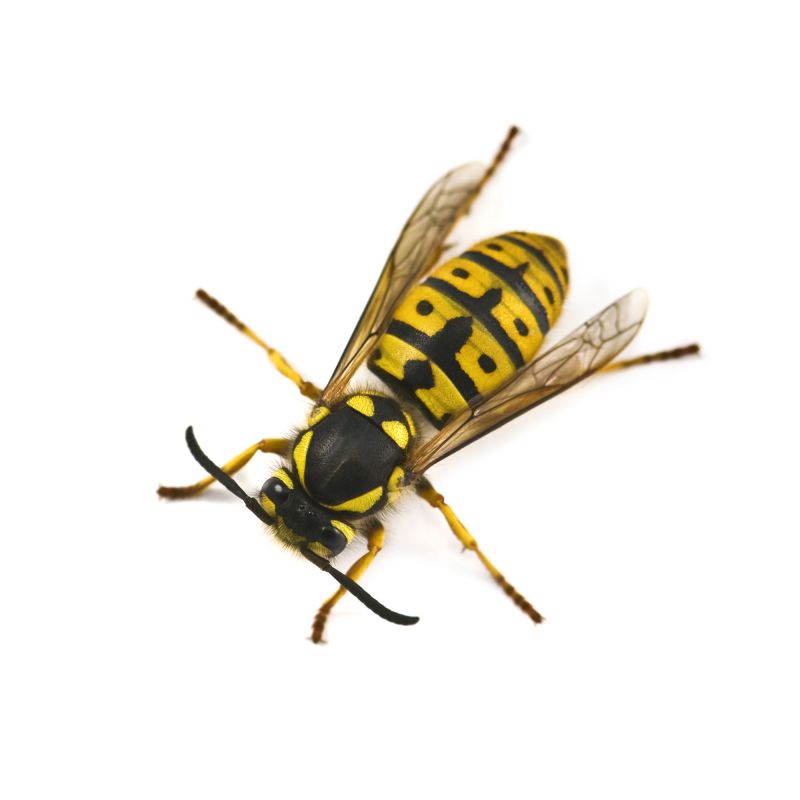
When evaluating service providers for wasp, hornet, or yellow jacket treatment, it is important to consider their experience with similar projects. Homeowners should seek out local contractors who have a proven track record of handling pest issues involving these insects, particularly in residential settings. An experienced professional will understand the behaviors and nesting habits of these pests and be better equipped to identify signs of an infestation and recommend effective treatment strategies. This background can help ensure that the chosen service provider has the knowledge necessary to address the specific challenges posed by these insects in a home environment.
Clear written expectations are essential when comparing local contractors for wasp, hornet, or yellow jacket removal. Homeowners should look for providers who can offer detailed information about the scope of work, what the treatment process involves, and any preparations needed before service begins. Transparent communication about what to expect can prevent misunderstandings and help ensure that the project proceeds smoothly. Service providers who clearly outline their approach and what homeowners can anticipate are more likely to deliver a professional experience and satisfactory results.
Reputable references and effective communication are key factors in selecting a reliable pest control service. Homeowners should seek out local contractors who can provide references or reviews from previous clients, demonstrating their ability to handle similar issues successfully. Good communication throughout the process-such as responsiveness to questions and clarity about procedures-can make a significant difference in the overall experience. A service provider who maintains open, transparent dialogue and has a history of positive interactions is more likely to meet expectations and effectively manage signs of wasp, hornet, or yellow jacket problems.
Property owners often search for signs you have a wasp, hornet, or yellow jacket problem when they are planning practical projects around their homes and businesses. Local pros provide Wasp, Hornet, or Yellow Jacket Treatment services for everyday jobs and straightforward project options.
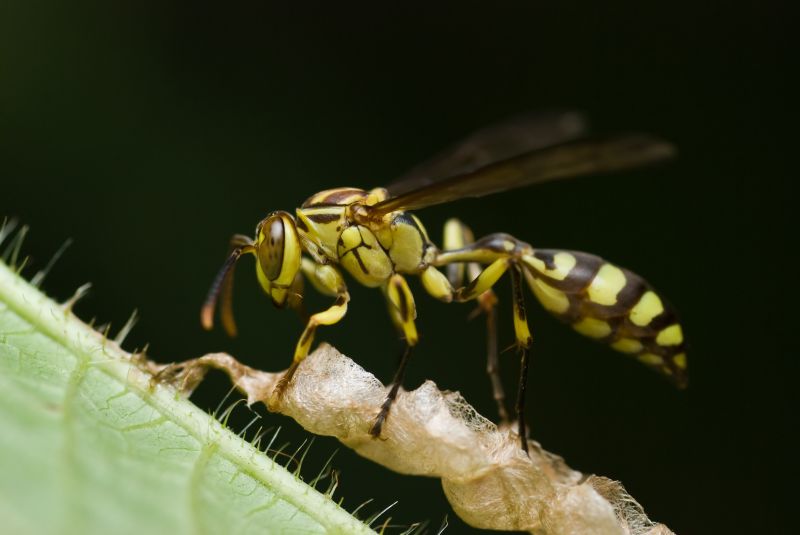
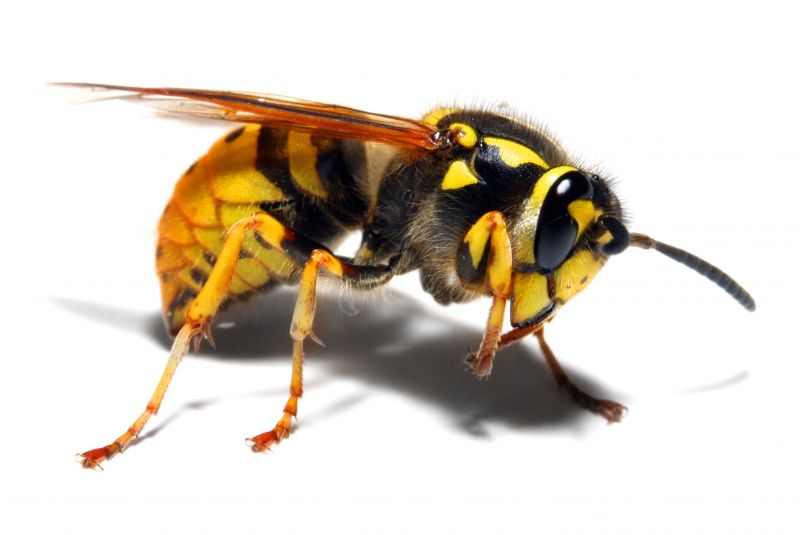
Property owners in the area often notice the presence of wasps, hornets, or yellow jackets during late summer and early fall, especially around outdoor eating areas, trash cans, or eaves. Common signs include persistent buzzing sounds near nests, which are typically built in sheltered spots like tree branches, wall voids, or under roof eaves. If individuals observe aggressive behavior from insects when nearby or find small, papery nests close to their homes or gardens, it may indicate a wasp, hornet, or yellow jacket problem that requires attention from local service providers.
In many cases, property owners encounter stings or notice increased insect activity that disrupts outdoor activities. Visible nests or swarms around the property can be a clear indicator of an active infestation. When such signs appear, it’s advisable to seek assistance from local contractors experienced in wasp, hornet, or yellow jacket treatment services. These professionals can evaluate the situation and implement appropriate removal or control measures to help reduce the risk of stings and prevent further nest development.
What are common signs of a wasp, hornet, or yellow jacket problem? Visible nests near eaves, walls, or ground, along with increased insect activity around those areas, often indicate a wasp, hornet, or yellow jacket issue that local contractors can address.
How can I tell if I have an active wasp or hornet nest? Seeing wasps, hornets, or yellow jackets entering or leaving a specific site, especially during late summer or early fall, suggests an active nest that a professional can safely handle.
Are there specific signs to watch for indoors? If you notice buzzing sounds inside walls, or sightings of wasps or hornets inside the home, it may point to an indoor nest that local service providers can locate and remove.
What should I do if I find a nest on my property? It’s recommended to avoid disturbing the nest and contact local contractors who specialize in wasp, hornet, or yellow jacket treatment to handle the removal safely.
Can the presence of stings or bites indicate a problem? Yes, frequent stings or bites, especially near nests, can be signs of a wasp, hornet, or yellow jacket problem that requires professional treatment to prevent further issues.
Identifying stinging insect nests - noticing large, papery, or mud-like structures around the property can help determine if wasps, hornets, or yellow jackets are present, prompting professional removal services.
Observing insect activity during warm months - frequent sightings of aggressive insects near entrances, trash, or sweet foods may indicate a problem that local contractors can address with targeted treatments.
Monitoring for aggressive behavior or persistent buzzing - if insects become defensive or swarm when nearby, it signals a potential hive that needs professional removal to ensure safety.
Checking for visible insect trails or exit holes - small holes in walls, eaves, or ground areas can reveal active nests, encouraging property owners to seek expert treatment from local service providers.
If you are thinking about signs you have a wasp, hornet, or yellow jacket problem for a property, this guide is meant to help you understand this topic, the typical project types, and how different options might fit your plans.
When you are ready, you can use the quote form on this page to share a few details about your project. From there, local pros can review the basics and follow up with options that match what you have in mind.